
Description
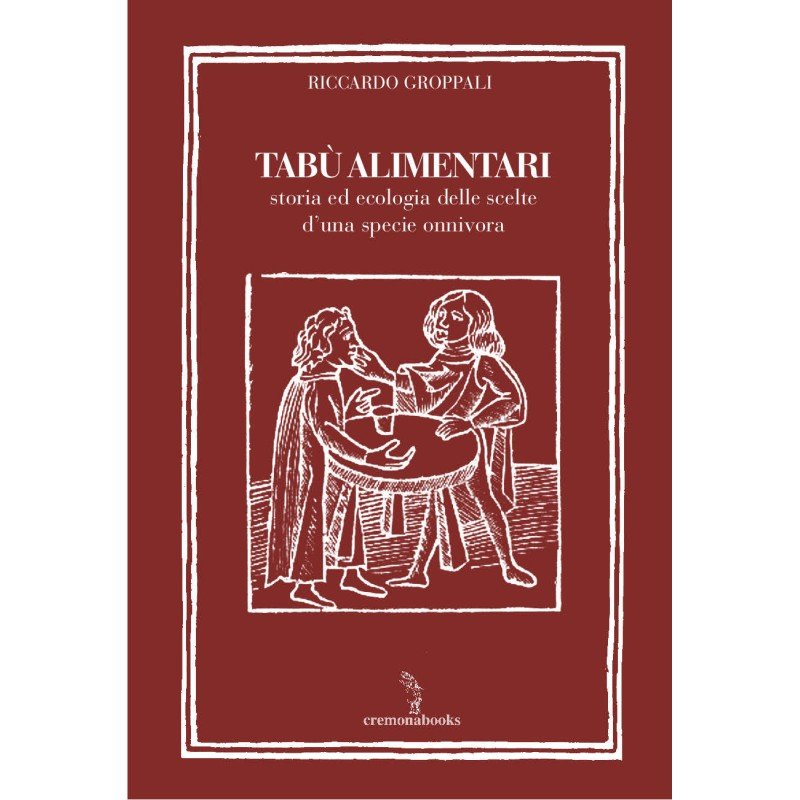
Our species, structurally omnivorous, can eat almost anything, so it is strange that every population and culture in the world rejects or even forbids the consumption of certain foods or drinks, even though they are perfectly acceptable physiologically. The real bases of these taboos are indisputable ecological and economic rules, uncertainties about edibility (only partly justified) and certain historical reasons, but the doubt remains. Above all, the survival of prohibitions whose origins go back thousands of years, born in environmental and living conditions completely different from today’s, seems curious to say the least: residual legacies of pastoral cultures opposed to agricultural ones, or memories of events considered of extraordinary historical importance, or of words said to have been spoken by figures regarded as fundamental, if not – as is reported – by the deity itself. Tributes to memory and – perhaps above all – a strong desire to preserve one’s own identity.
In many of these choices, in fact, an important role – not to be underestimated – is always played by the desire to set oneself apart, at the table too, from people of different faiths, habits and social classes, and thus to feel superior to them. So we peoples who eat frogs and snails despise those who eat insects and large spiders, who in turn do not appreciate our food choices. Indeed, they find them disgusting.
In the field of food there have also been political choices, aimed at avoiding foods or food ingredients important to the economy of those one seeks to harm: forms of non-violent struggle that have sometimes helped to achieve spectacular results. Finally, with today’s urban life now sharply separated from the material life of the past, more and more people are making choices guided by deep respect for Nature and the welfare of animals, even refusing to eat some of them simply because they have become life companions – and you never eat a friend. An enemy, on the other hand, yes, as some cannibal cultures of the past show. Knowing the many food taboos to which our species voluntarily submits makes for a fascinating journey through human ecology and history, because the naturalist’s point of view, and a rich bibliography on the subject, almost always make it possible to understand the real reasons for choices that would otherwise remain confined to the world of curiosities, often seen as oddities without any motivation.