

The violin has always played the lead role, but the string family is larger than that. This page is devoted to its lower voices: manuals for making the cello, viola and double bass, books for playing them, and posters and technical folders of great historical instruments.
Showing 13–23 of 23 results
-

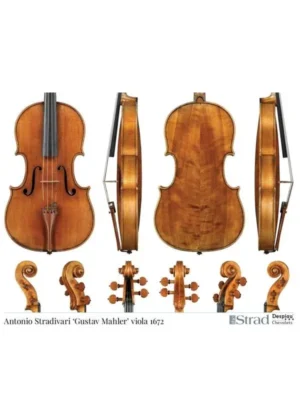
Poster A. Stradivari Gustav Mahler viola 1672 (680mmx840mm)
38,00 € Add to cart -
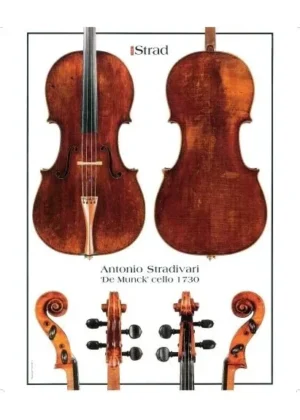
Poster A. Stradivari De Munck cello 1730 (680mmx840mm)
38,00 € Add to cart -
Iniziamo presto col violoncello!
23,00 € Add to cart -
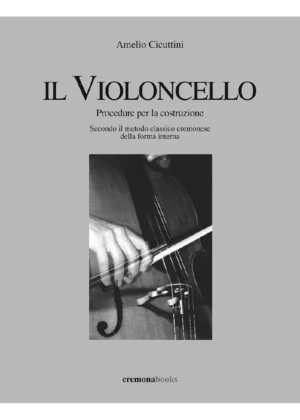
Il violoncello. Procedure per la costruzione.
25,00 € Add to cart -
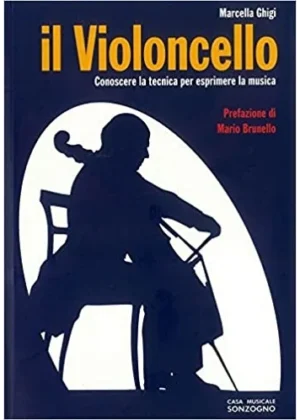
Il violoncello. Conoscere la tecnica per esprimere la musica
23,00 € Add to cart -
Il violino e la viola. Procedure per la costruzione.
25,00 € Add to cart -
Il contrabbasso. Procedure per la costruzione.
25,00 € Add to cart -
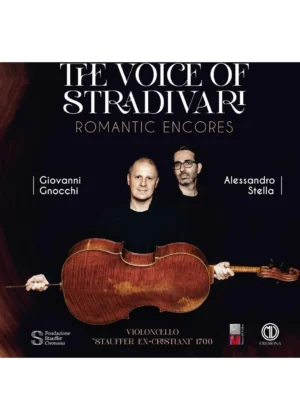
CD The voice of Stradivari – Cello 1700 – M° Gnocchi
22,00 € Add to cart -
CD G. B.Cervetto six sonatas for three violoncellos
18,00 € Add to cart -
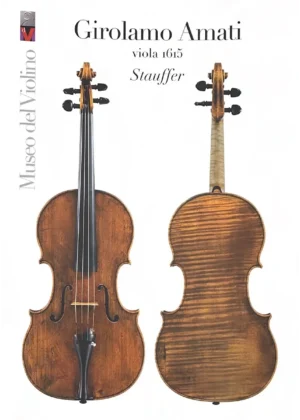
Folder Girolamo Amati viola 1615 Stauffer
25,00 € Add to cart -
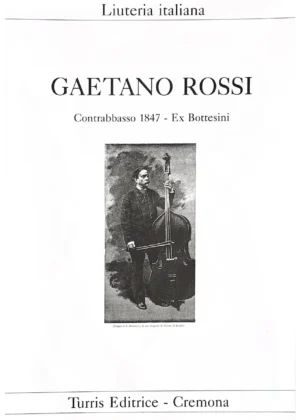
Folder Gaetano Rossi double bass 1847
25,00 € Add to cart


A family born in Cremona
As early as the sixteenth century, Andrea Amati’s workshop was making violas and large cellos alongside its violins. Around 1707 Antonio Stradivari settled on the cello model that makers call “forma B”: smaller than the basses of the seventeenth century, it became the reference for today’s instruments. The viola has had a more varied history, with both large and small models, while the double bass owes much to the Brescian school of Gasparo da Salò.
In Cremona you can see this history up close. The first instrument you meet in the treasure room of the Museo del Violino is in fact a Stradivari cello, the 1700 “Stauffer ex Cristiani”; a little further on are the cellos, violas and double basses that won the Triennial Violin Making Competition, a direct comparison between tradition and today’s instruments.
For makers
Our series of manuals includes the “Procedure per la costruzione” volumes on the cello, the double bass, and the violin and viola: the latter is Amelio Cicuttini’s method, developed from the teaching of the Cremonese master Francesco Bissolotti. For those working from a historical model there are technical folders, such as those of the 1847 Gaetano Rossi double bass and the 1615 Girolamo Amati viola, and posters of great cellos and violas by Stradivari, the Amatis, Goffriller and Stainer.
For players
For musicians there are books on cello technique and, for younger players, books that approach the instrument through play, such as “Iniziamo presto col violoncello!”. The collection is completed by a few CDs, including the recording devoted to the voice of the 1700 Stradivari cello kept at the Museo del Violino.
Frequently asked questions
Is there a manual for making a cello?
Yes: “Il violoncello. Procedure per la costruzione” follows the stages of making the instrument, and there is a companion volume in the same series for the double bass. For the viola the reference is “Il violino e la viola”, which covers both instruments together and is also available in English as “Violin and viola”.
What is the difference between a viola and a violin?
The viola is tuned a fifth below the violin (C, G, D, A) and is larger, but its size is not fixed: the body ranges from about 38 to over 43 centimetres. That is why construction manuals always devote space to choosing the model.
Are there books for children starting the cello?
Yes, you will find some in this collection and more in our section of books for children and young people.
See also
- All violin making books
- Books on Antonio Stradivari
- Guarneri, Amati and the Cremonese makers
- Violin making manuals
- Manuals for musicians
- Books for children and young people
Looking for a title you can’t see in the list? Write to us: we’ll order it for you or put it aside.